

01 · More than a result
The height beside his name tells only part of the story.
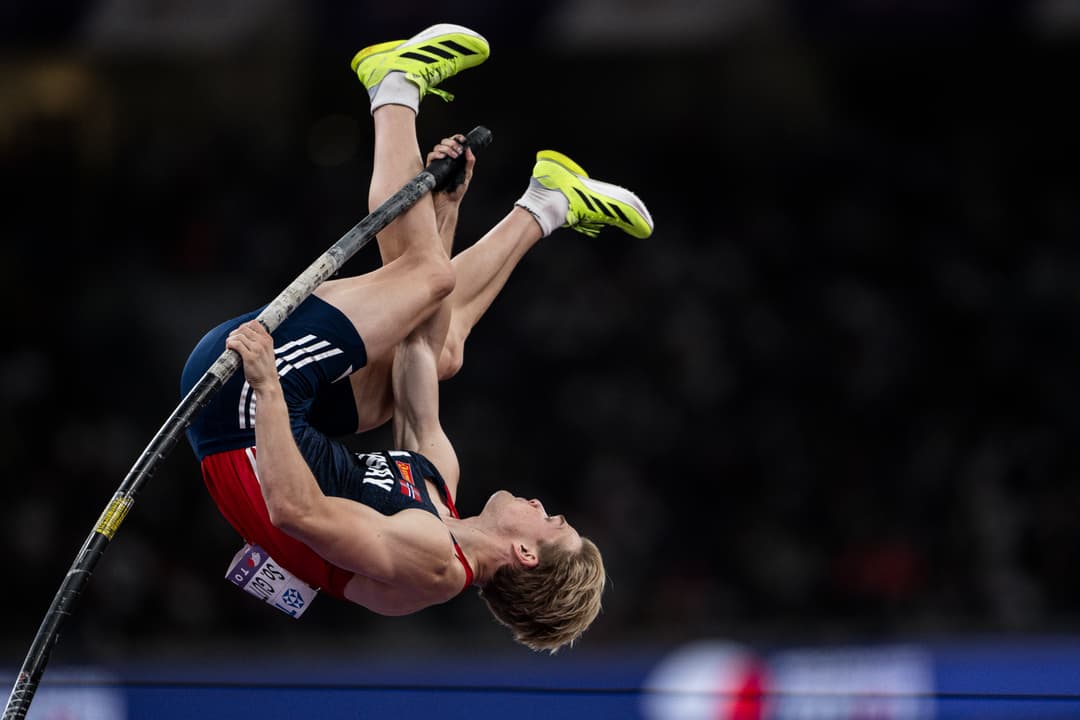
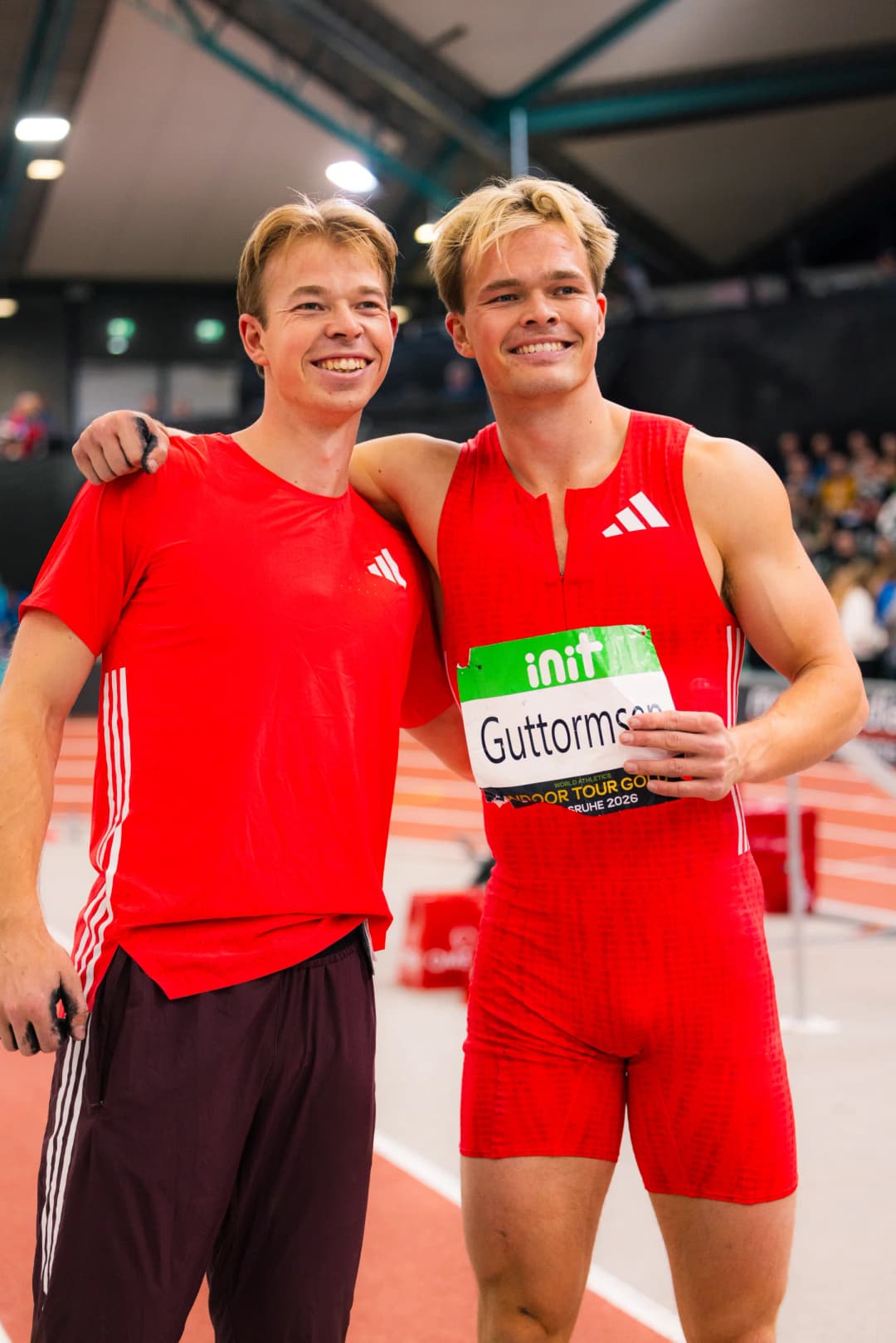
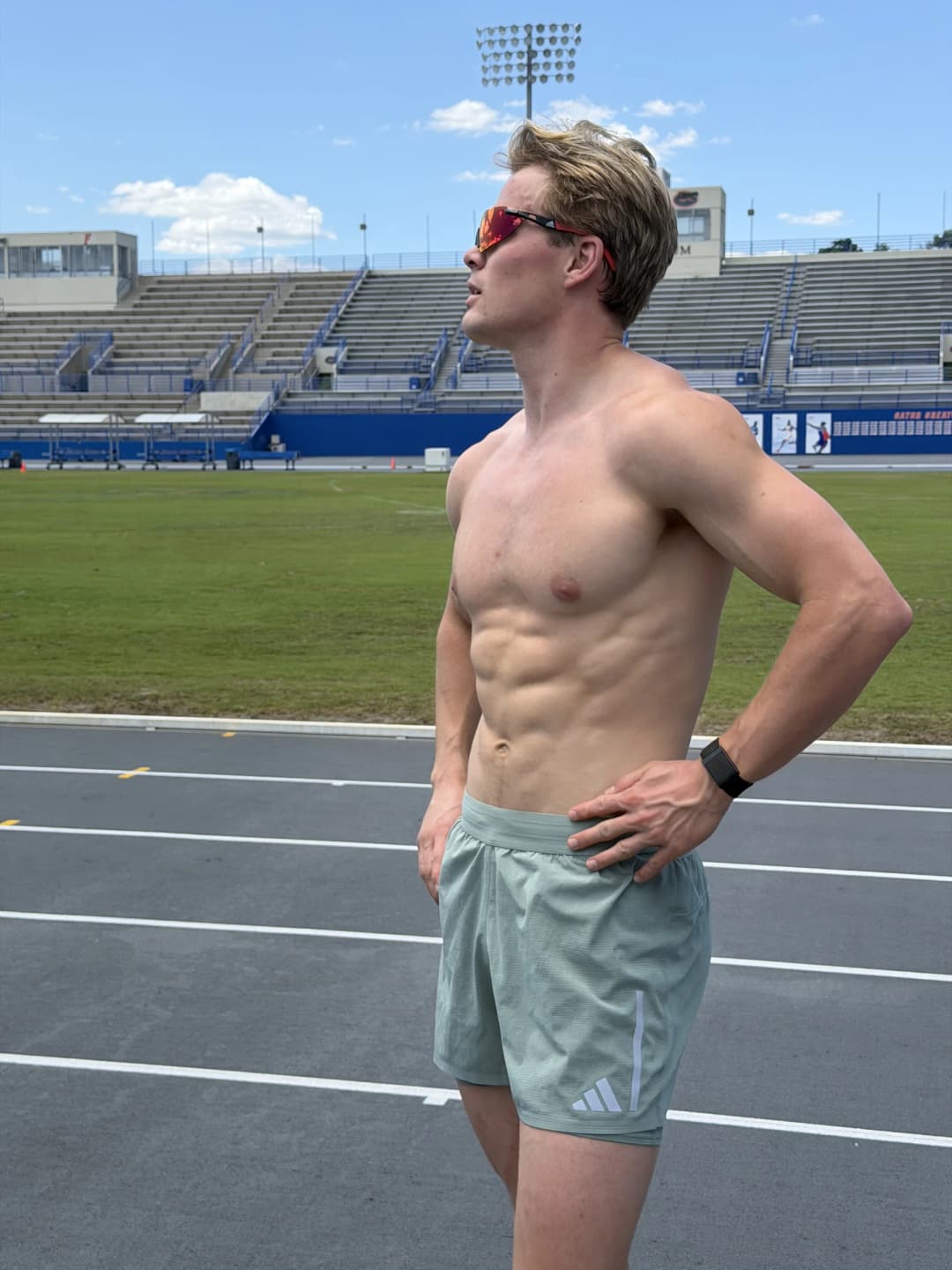
Sondre is a professional pole vaulter for adidas and a two-time Olympian for Norway. His career has produced public milestones: Olympic finals, NCAA titles, and a national record above six metres.
The less visible story is built from technical problem-solving, travel, injuries, family conversations, study, and years of repeating the same movement until it can hold up under pressure.
Studying psychology did not make elite sport simple, and winning did not mean the mental side was mastered. It gave Sondre a better way to ask why preparation sometimes appeared in competition—and why sometimes it did not.
02 · Pressure and progress
His path was never a straight line.
Tokyo
An Olympic debut cut short
Sondre reached his first Olympic Games with the physical level to compete, but a quad injury ended the experience before it could become the performance he had imagined.Princeton
A broader way to develop
He studied psychology while winning three NCAA pole vault titles. The classroom, the team, and the runway became connected parts of the same question: how do athletes perform freely when the result matters?Paris
Back in an Olympic final
Three years after Tokyo, Sondre returned to the Olympic stage and reached the final in Paris. The path back required patience, resets, and refusing to let one difficult chapter define the next.6.06 m
A new Norwegian record
In 2026, he cleared 6.06 metres in Rouen. The height was new. The routines, belief, and mental rehearsal around it had been built for years.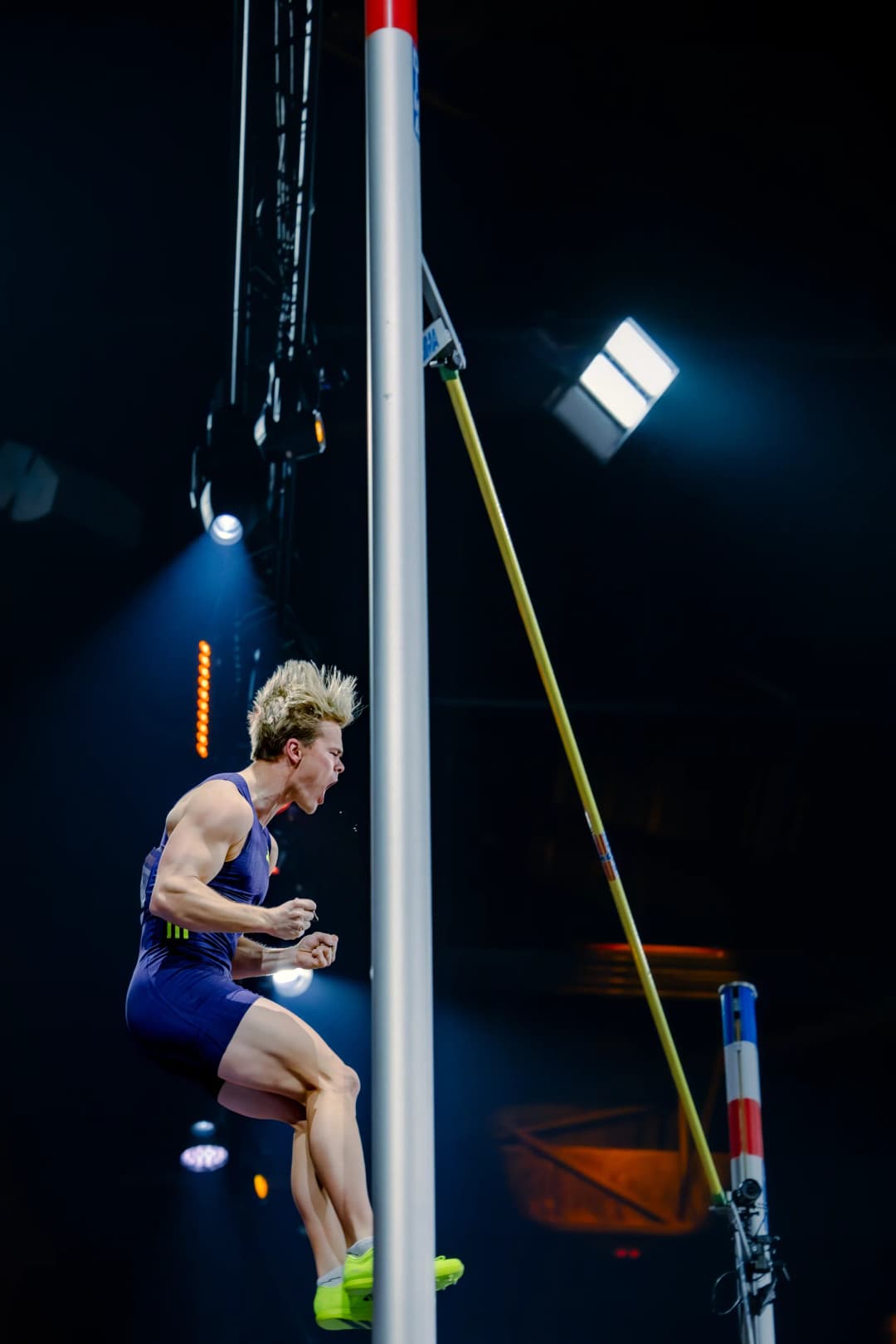
03 · Learning the mental side
The mind became part of the training plan.

During one of Sondre's hardest stretches, training showed that he was physically capable of more. Competition told a different story. Confidence became tied to results, and one missed jump could follow him into the next.
He began treating the mental side more deliberately: working with sports psychologists, researching visualization, and testing ways to make those ideas useful before training and competition.
Before clearing 6.06 metres, Sondre had rehearsed the situation so often that the height felt familiar before it happened. The goal was not to remove pressure. It was to have something practiced to return to when pressure arrived.
“Mental training should be practical enough to use every day—not something athletes only discover when everything is already going wrong.”— Sondre Guttormsen
04 · Why he built Athlete Mindset
He started with the tool he wanted for himself.
A difficult summer made the gap impossible to ignore. Sondre could see how much mindset affected performance, but the useful strategies were scattered and often difficult to access at the moment an athlete needed them.
Working with sport psychology helped. It also showed him that expert one-to-one support is expensive and unavailable to many athletes—and that even athletes with support still need a practical way to train between conversations.
Athlete Mindset began as an athlete-specific practice layer: short mental reps for competition nerves, confidence, visualization, mistakes, recovery, and reflection. It is not a replacement for a sports psychologist or clinical care. It is a way to make structured mental training part of a normal week.
The idea came from Sondre's own career: train the mind with the same consistency you expect from the body.